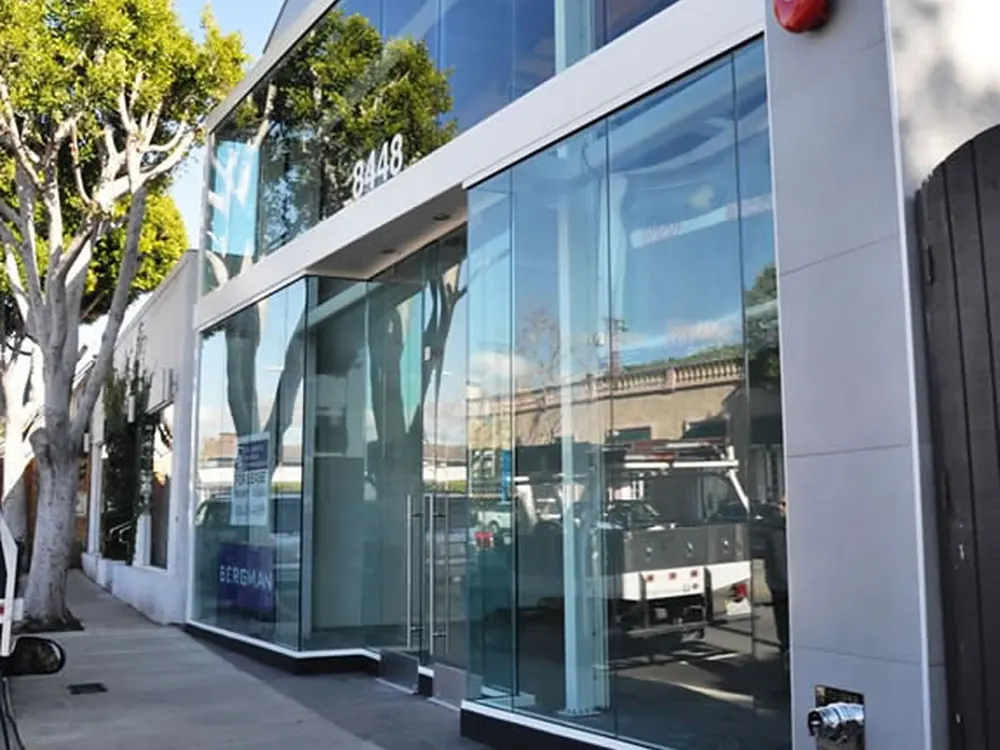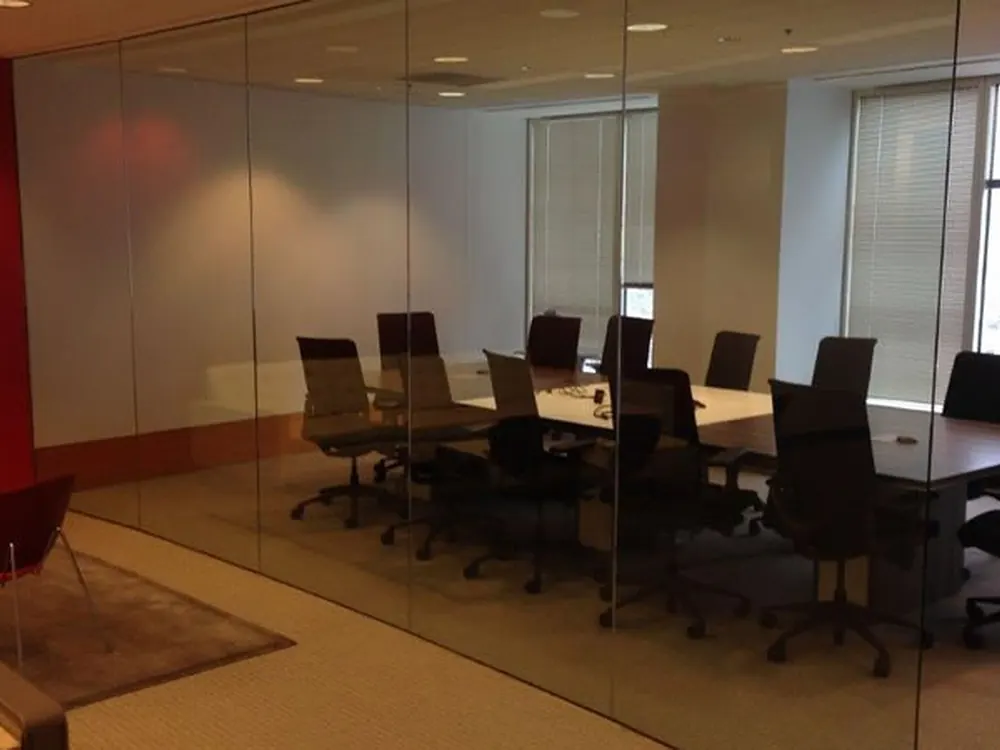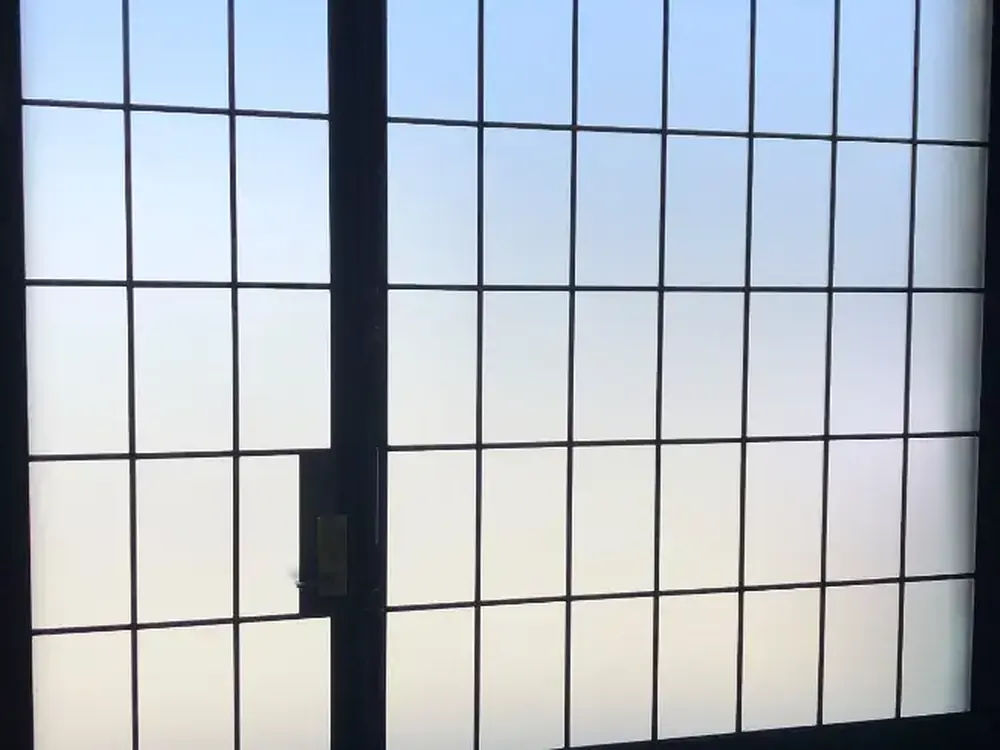
Every property manager in Downtown knows the complaint and most have stopped trying to solve it with the mechanical system. The west perimeter runs hot from the early afternoon, the core is fine, and adjusting the setpoint just moves the misery around. The reason is that the heat isn't coming from the air — it's coming through the glass.
Solar gain is not an air temperature problem
An HVAC system conditions air. Solar gain arrives as radiation, passes through the glazing, and deposits energy directly into surfaces and people inside — a desk, a floor, a person's arm. That's why someone sitting in direct sun by a window feels hot in a room whose air is measurably at setpoint.
It's also why turning the setpoint down fails. The perimeter is being radiantly loaded while the core is being over-cooled, so you get complaints from both ends of the floor simultaneously and an air handler running at full output to satisfy neither.
Why Downtown stock is especially exposed
A great deal of the office inventory here dates from the sixties through the eighties, when full curtain wall was the prevailing language and glazing performance was rudimentary by current standards. Single-pane and early tinted units are common, and even the dual-pane assemblies of that era have solar heat gain coefficients far above anything specified today.
Then there's orientation. Building footprints follow the street grid rather than the sun, which means a substantial share of the city's office floor area sits behind west-facing glass — the worst orientation, taking low-angle sun at the hottest hour, on top of a building that's been absorbing heat since morning.
What film does and what it costs you
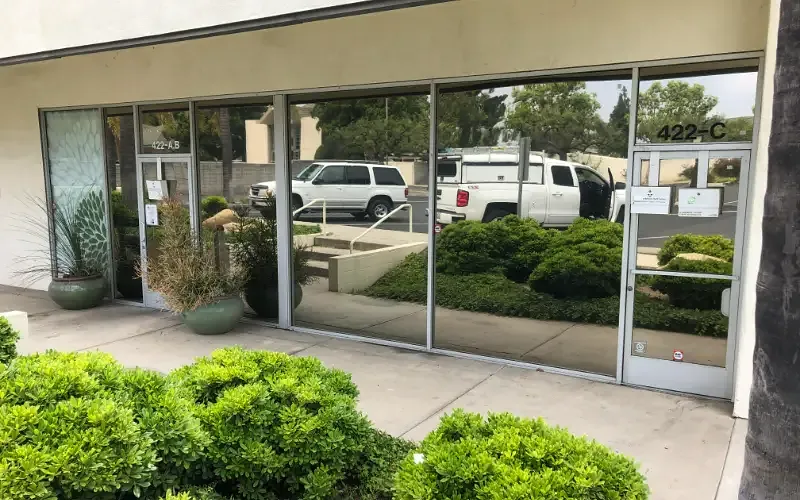
A well-specified solar control film intercepts the energy at the glass. Here's what to expect on a problem elevation:
- Up to about 80% of infrared heat rejected, which is what occupants feel as temperature.
- Solar heat gain coefficient reduced substantially, which is what the mechanical load responds to.
- Glare cut enough that screens are readable with blinds open all afternoon.
- 99% of UV blocked, which stops fading of finishes, furniture, and floor coverings.
The trade-off is visible light. Every film that rejects meaningful heat reduces some daylight, and the spectrally selective products that minimise that trade-off cost more per square foot. Anyone who tells you there's no trade-off is describing a product that doesn't exist.
The thermal stress issue on tinted glazing
This deserves particular emphasis in Downtown, because so much of the stock is already tinted. Bronze and grey body-tinted glass absorbs a lot of solar energy by design, which already raises its operating temperature. Adding an absorptive film on top can push the pane past what the glass and the glazing system can tolerate, and it cracks.
The failure is entirely predictable in advance with a thermal stress calculation, and entirely the installer's fault when it happens. On already-tinted glazing, ask specifically whether that calculation has been run and what it assumed about your glass. If the answer is vague, the risk is being transferred to you.
Scope it by elevation, not by building
The instinct on a whole-building project is to treat everything. It's rarely the right call. North elevations get little direct sun and are usually not worth treating at all; east elevations have a morning problem that's real but shorter; west and southwest are where the money should go.
We survey by elevation and put the highest-return glass first, which frequently means a proposal covering a third of the envelope. If you'd like an assessment with actual numbers on your glazing rather than a percentage pulled from a brochure, get in touch — we'll survey the building at no cost.