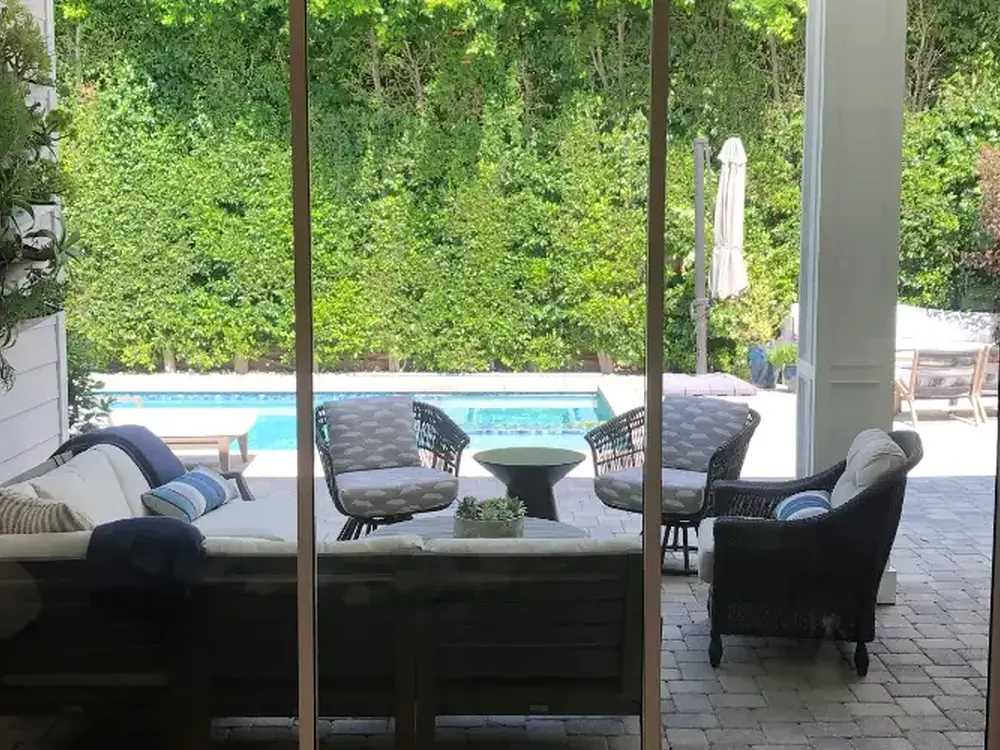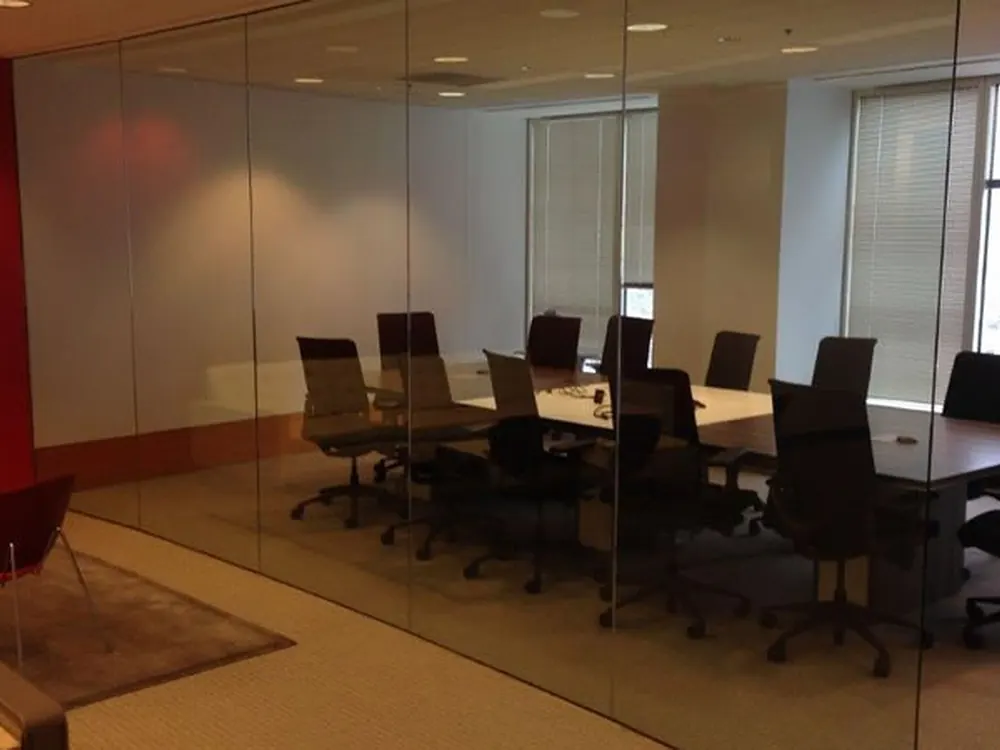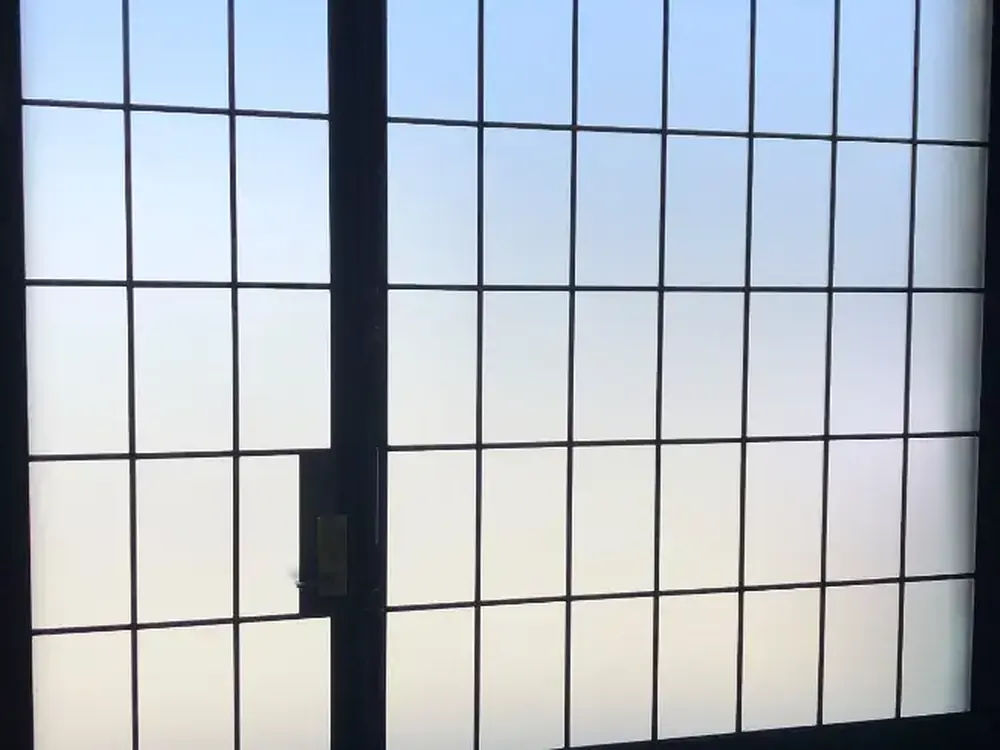
Ask a Downtown retailer what their biggest glass expense is and most will say break-ins. For the majority of ground-floor businesses in the central city, it isn't. It's etching — a form of damage that requires no tools, takes under a minute, and cannot be repaired at any price.
Why etched glass can't be fixed
Acid etching and scratch tagging remove or chemically alter material from the surface of the glass. That's a subtractive change, not a deposit sitting on top, which is why it survives every cleaning product ever sold and why the widely suggested remedies — polishing compounds, cerium oxide, buffing — don't work on architectural glass.
Polishing can address extremely shallow surface marks on small pieces. On a large storefront lite it introduces optical distortion across the polished area, which is arguably worse than the tag, because now the entire pane reads as warped rather than having writing in one corner. In practice, the only real remedy for a meaningfully etched lite is replacement.
What replacement actually costs
The pane itself is the smallest line on the invoice. Add the glazier's labour, a crane or suction lift for a large lite, a temporary board-up, permits where the frontage requires them, and a day or more of closure or degraded trading while a plywood panel stands where the display should be.
For a large tempered or laminated storefront lite, this comfortably runs into four figures and frequently five. And unlike a break-in, it isn't a one-off — the same frontage in the same location gets hit again, because location is the variable that predicts it.
How sacrificial film changes it
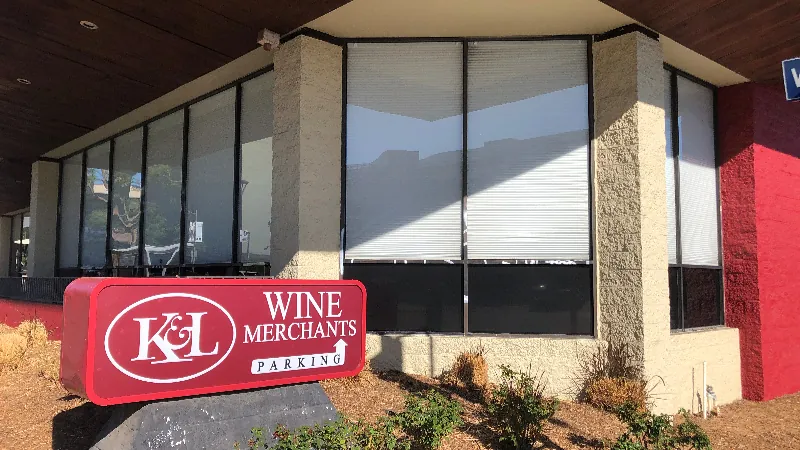
Anti-graffiti film is a clear, optically invisible laminate applied to the exposed face of the glass. It's designed to be destroyed. When the pane gets tagged or etched, the damage lands entirely on the film, and the glass underneath is untouched.
The remediation is then a crew peeling one sheet and applying another, typically about an hour per pane, at a small fraction of replacement cost. There's no glazier, no lift, no board-up, and no closure. The frequency doesn't change — but the consequence does, from a capital event into a scheduled maintenance line.
- Ground-floor glass on a street with regular foot traffic after dark.
- Alley-facing and side-elevation panes with no natural surveillance.
- Transit-adjacent frontages, particularly near stations and stops.
- Any pane that has already been hit once — recurrence is the norm, not the exception.
Where it isn't worth it
We'd rather say this plainly than oversell: not every frontage needs this. If your glass is set back from the sidewalk, on an upper floor, behind a gated forecourt, or on a block that simply doesn't experience this, sacrificial film is money spent on a risk you don't have.
The pattern is extremely location-specific, sometimes varying block to block. A walkthrough usually establishes it in twenty minutes, and we'll tell you when the answer is that you don't need us.
Do it before, not after
The awkward reality is that most people call us after a pane has already been destroyed. At that point the replacement is happening regardless, and the film goes on the new glass — which is the right decision but an expensive way to reach it.
If your frontage is in one of the categories above and hasn't been hit yet, treating it now costs a fraction of one replacement. If it also holds high-value stock, security film can be specified in the same visit for the forced-entry side of the same glass. Book a walkthrough and we'll tell you which panes actually need what.