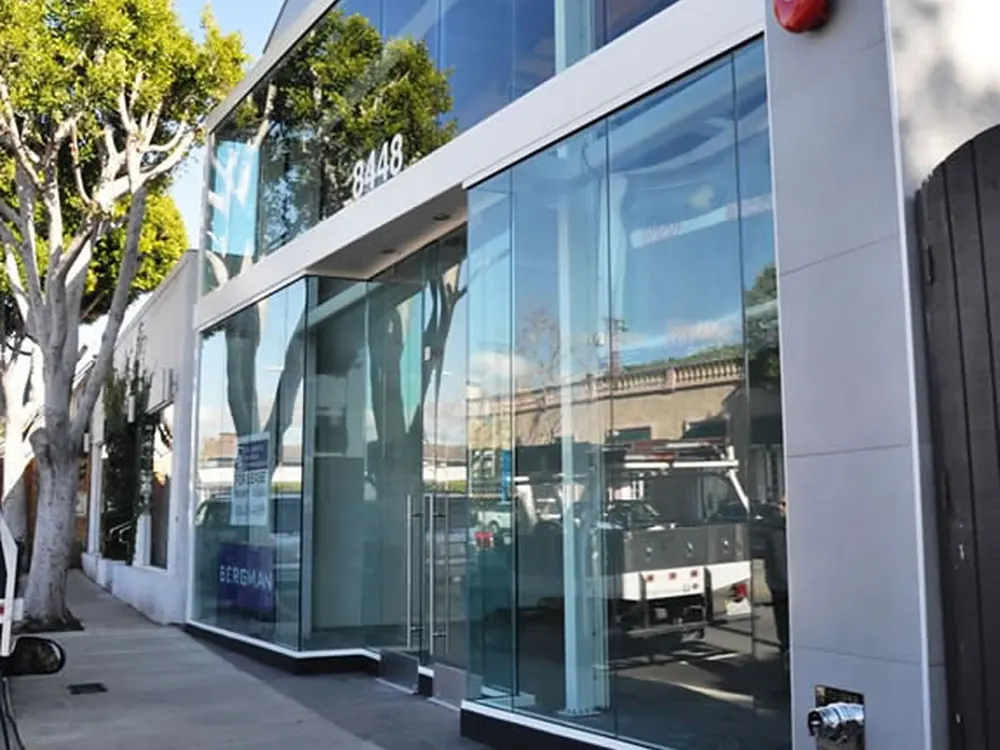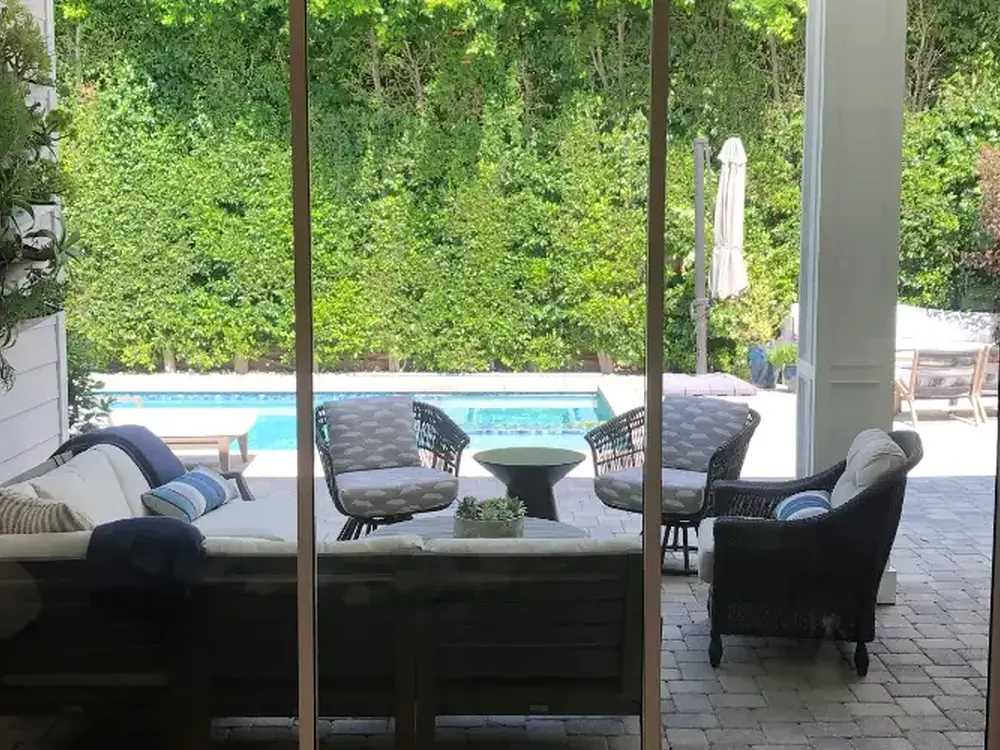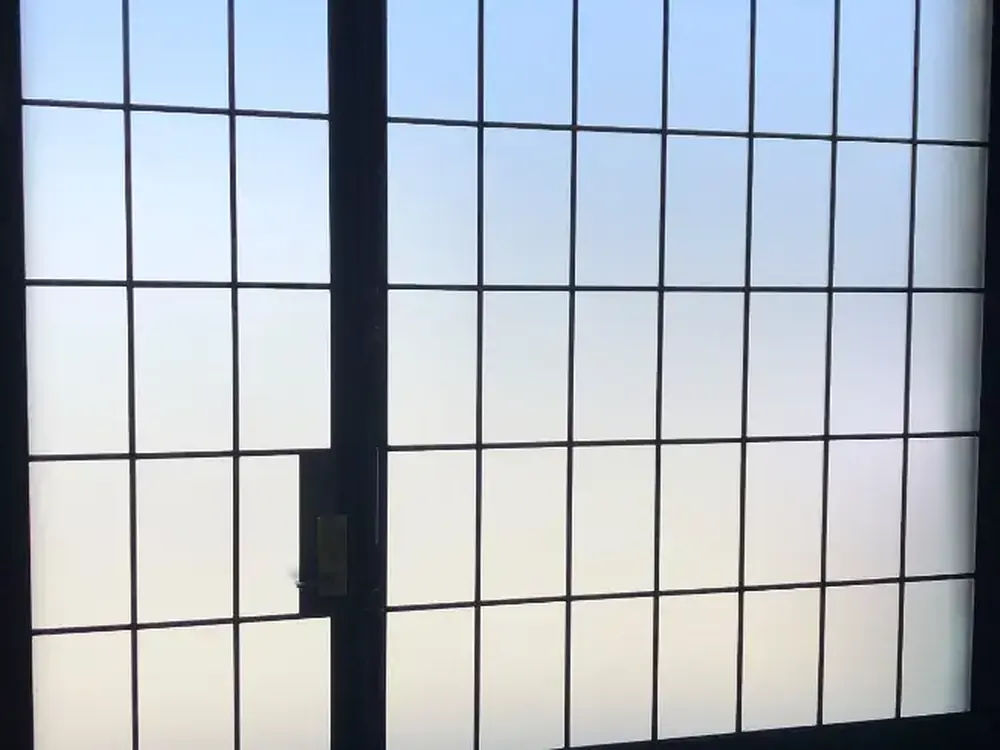
The windows are why you took the unit. Twelve or twenty feet of original steel-sash factory glazing, light from three sides, and a view of the city that a modern building can't replicate. They are also, by every measurable standard, the worst-performing glass in residential use anywhere in Los Angeles — which turns out to be good news.
What single-pane glazing actually does
Clear single-pane glass has a solar heat gain coefficient around 0.8, meaning roughly 80% of the solar energy hitting it comes straight through into the room. For comparison, a modern low-E dual-pane unit can be less than half of that. There is no insulating cavity, no coating, and nothing between the sun and your floor but a quarter inch of glass.
Multiply that by the glass area in a typical loft — often several times what a conventional apartment has — and the result is a space that gains heat faster than almost any other residential building type in the city, and loses it just as fast overnight.
Why that makes film unusually effective
Film's benefit is proportional to how badly the existing glass performs. On a new high-performance window, most of the available improvement has already been captured by the glazing itself, and film adds a modest increment. On original single-pane, essentially all of it is still on the table.
This is why the before-and-after in a loft is more dramatic than anywhere else we work. The same product that produces a noticeable improvement in a modern condo produces a transformative one behind hundred-year-old factory glass, and it's the reason we rate loft conversions as the highest-return residential work available in this city.

The thermal stress advantage
Here's a counterintuitive benefit. Most of the caution around window film concerns dual-pane units, where heat absorbed by the film raises the temperature of the outer lite in a sealed cavity and can crack it. That constraint is what forces a lighter, less aggressive specification on modern glazing.
Single-pane glass has no cavity and no sealed unit, which makes it far more tolerant. We can generally specify a considerably more aggressive film on original loft glazing than we could on the dual-pane unit next door — better performance, and lower risk, on the same job.
- No sealed cavity means no heat trap and dramatically lower thermal stress risk.
- Original glass is often thinner, so handling care matters more than film selection.
- Steel sash frames conduct heat independently — film treats the glass, not the frame.
- Very large lites need two installers and staging; check that's in the quote.
The fade problem you haven't noticed yet
Single-pane glass blocks very little UV, so a loft interior receives close to the full ultraviolet load all day across an enormous glass area. Hardwood, rugs, artwork, and upholstery are all degrading considerably faster than they would behind modern glazing, and the damage is cumulative and permanent.
It's the least visible benefit of treating the glass and often the most valuable, particularly in units where the open plan means everything is exposed. Film applied today protects what remains; it doesn't restore anything already lost.
Check the building rules first
Most adaptive-reuse buildings are HOAs, and a meaningful number are also historic. That combination means exterior appearance is usually governed, and a reflective film that changes how the elevation reads from the street will be a problem.
We quote low-reflectivity products as standard for this reason and can supply data sheets and samples if your board needs them. If you'd like window tinting assessed with your building's rules already accounted for, ask for a free quote.